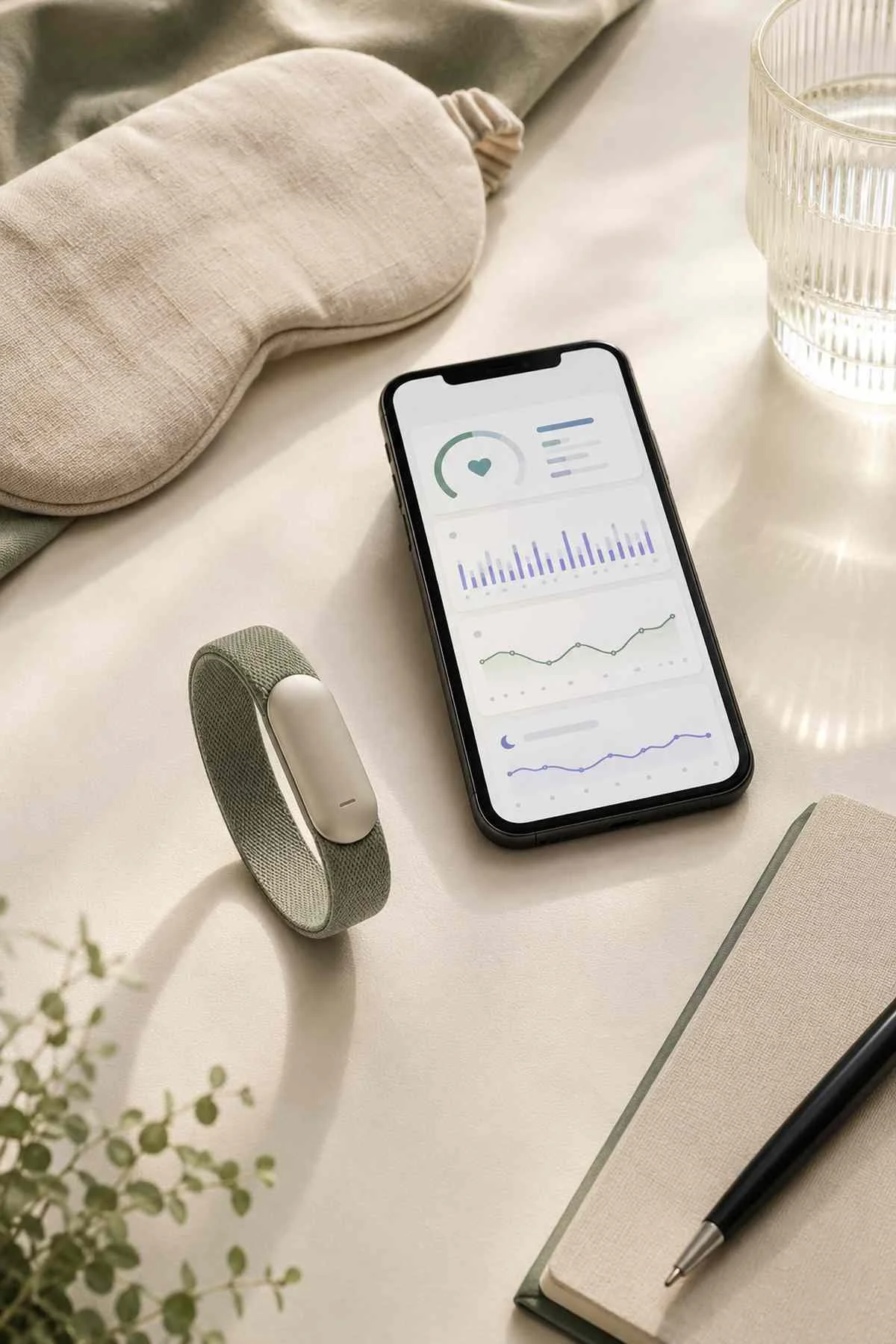
Google Fitbit Air
Screenless vision, questionable promises, controversial reality.
Manufacturer: Google / Fitbit
Although Google Fitbit Air offers a screenless design and physical comfort, it loses trust by locking its core features behind a subscription and with AI errors. Contradictions in its marketing strategy and technical shortcomings leave it behind its competitors.
Review
Google Fitbit Air emerged in the wearable tech market promising a screenless experience; however, serious contradictions in its core functionality and marketing strategy significantly overshadow this bold vision. At first glance, it offers impressive comfort with its featherlight design, practically "disappearing" on your wrist. You can't help but agree with many users who say, "I forgot I was wearing it"; this is one of the most fundamental features expected from a screenless tracker. But this minimalist approach sacrifices practicality by overlooking essential needs like instant data tracking and notifications. Constantly having to reach for your phone just to see your progress undermines the seamless fluidity you expect from a modern fitness tracker.
Google Health Coach, powered by Gemini, is Air's most ambitious feature, drawing attention with both its potential and its disappointments. The Coach has the capacity to analyze your activity data and offer personalized insights. However, our editors' experiences revealed that this AI sometimes "hallucinates," interpreting past fleeting thoughts as commands. Slow response times further deteriorate the user experience. Furthermore, marketing Air with a "no subscription" promise, only to lock this core coaching feature behind a $79 annual subscription three months later, is a severe marketing misstep that profoundly shakes user trust. This situation makes you question the true value of the initial attractive $99 price tag.
In terms of technical capabilities, Fitbit Air regrettably falls behind its key competitors. The lack of a built-in GPS sensor is a major drawback, especially for those who engage in outdoor sports like running and cycling; the constant necessity of carrying your phone with you contradicts Air's very name. Battery life is similarly inadequate; while robust competitors like Whoop can last up to 14 days, Air only manages 7 days. Google's decision to integrate even older sensors than those present in its own Pixel Watch 4 into this new device clearly demonstrates the company's reluctance to offer the latest technology.
If you are genuinely looking for a minimalist tracker that you won't feel on your wrist, that won't distract you, and if you're willing to constantly synchronize it with your phone, Air's comfort might appeal strongly to you. However, if you expect modern fitness tracker features like a consistently reliable AI coach, seamlessly integrated GPS, or genuinely long-lasting battery life, Air will undoubtedly struggle to meet your expectations. Especially if you are sensitive to hidden subscription models, you should think twice before making an investment in Air.
NeDüşünüyo? Editor
May 21, 2026
Pros & Cons
Pros
- Incredibly light and comfortable design
- Screenless design offers a distraction-free experience
- Attractive initial price tag ($99)
- Modern and minimalist aesthetic
- Potential of the Gemini Coach to offer personalized insights
Cons
- Mandatory annual subscription for core features ($79)
- Gemini Health Coach's "hallucinations" and slow responses
- Lack of a built-in GPS sensor
- Short battery life compared to competitors (7 days)
- Older sensor technology than Google's own devices
Editor Perspectives
This review is a synthesis of different editorial viewpoints.
Critical Editor
Recurring issues & shortcomings
I believe the screenless design lacks practicality, the Gemini Coach spouts nonsense, and the hidden subscription deceives users.
Optimist Editor
Vision & achievements
With its lightness and comfort, Air stands out, offering a new experience through its screenless vision and revolutionary Gemini Coach.
Analyst Editor
Technical & objective assessment
While Air stands out for its physical comfort and initial price, locking core features behind a subscription and AI reliability issues weaken its competitiveness.
Who Loves It?
- Those who want a minimalist tracker without a screen on their wrist
- Users who prioritize physical comfort and lightness
- Those familiar with the Google ecosystem and open to new experiences
Who Hates It?
- Those who need a screen for instant data and notifications
- Those sensitive to hidden subscription models
- Athletes expecting the latest technology and integrated GPS
Image: healnourishgrow.com